

 By
By “That could never be me,” I thought. “I don’t know how to code.”
I still remember the exact moment I decided to create my first meme coin. It was 2 AM, I was scrolling through Twitter, and I saw someone celebrate hitting $100K with a coin they’d launched just three weeks earlier.
Turns out, I was completely wrong.
Six months later, I had launched my own meme coin, built a community of over 5,000 holders, and learned more about blockchain, marketing, and human psychology than I had in the previous five years combined.
Did I become a millionaire? No. But that was never really the point.
This guide is everything I wish someone had told me before I started. The good, the bad, and the $50K in mistakes I made along the way. If you’re thinking about creating a meme coin, you’re in the right place.
Let’s dive in.
What Exactly Is a Meme Coin? (And Why They’re Not Just Jokes Anymore)
When I first heard about meme coins, I dismissed them as internet nonsense. “They’re just jokes,” I said. “Not real investments.”
I couldn’t have been more wrong.
What Is a Meme Coin?
A meme coin is a cryptocurrency inspired by internet memes, jokes, or viral trends. Unlike traditional cryptocurrencies that focus on solving technical problems, meme coins thrive on community engagement and cultural resonance.
Think of them as the internet’s way of creating digital currencies around shared jokes and cultural moments.
The Numbers That Changed My Mind
Here’s what made me take meme coins seriously:
Market Size: The meme coin sector represents roughly $80-90 billion in market capitalization as of mid-2025. That’s not pocket change.
Market Dominance: Meme coins dominated crypto in 2024 with a 22.49% market share, surpassing even major blockchains like Solana and Ethereum in certain metrics.
Growing Belief: 44% of crypto holders believe memecoins will improve crypto market credibility, and 42% expect them to outperform other cryptocurrencies in 2025.
Industry Growth: The global meme coin development market is projected to grow from $51.2 million in 2025 to $296 million by 2031.
The Evolution I Witnessed
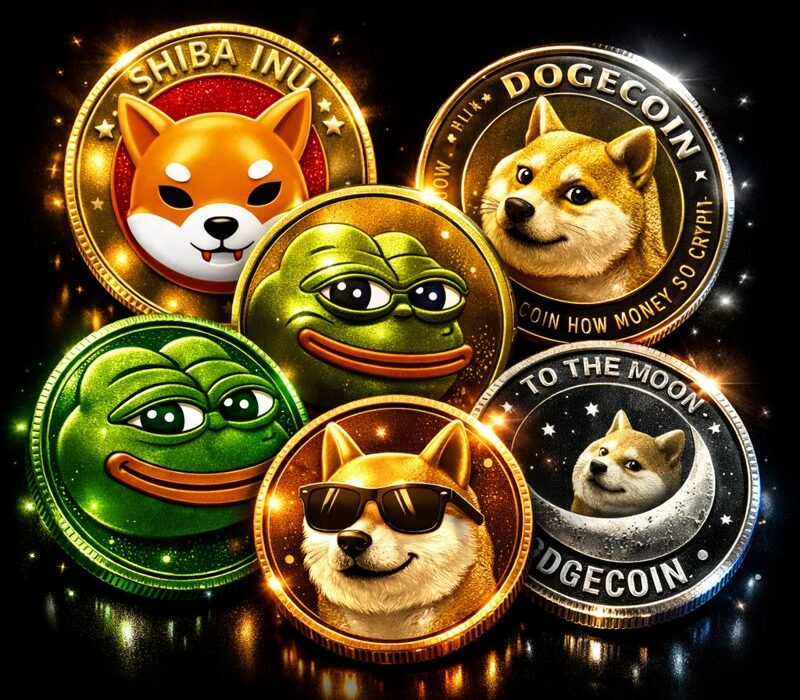
I’ve watched this space evolve from Dogecoin’s humble beginnings as a literal joke, to Shiba Inu’s ecosystem approach, to PEPE’s community-first model.
Each generation of meme coins got more sophisticated, more community-driven, and yes—more valuable.
The lesson? Meme coins aren’t just jokes anymore. They’re internet-native cultural artifacts with real economic value.
How to Develop a Meme Coin That Goes Viral (2026 Blueprint)
This is where the rubber meets the road. Creating a meme coin is actually much easier than you think—but creating a successful one? That’s the challenge.
Let me show you exactly how I did it.
Option A: Using a No-Code Platform (What I Did)
I had zero coding experience. Seriously, none. The most technical thing I’d done was install WordPress themes.
But I still created my meme coin in under 30 minutes.
Here’s my exact process:
Step 1: Set Up My Wallet
What I did:
- Downloaded MetaMask for Ethereum-based chains (or Phantom for Solana)
- Funded it with enough cryptocurrency for gas fees (around $50-100 to start)
- Wrote down my seed phrase and stored it somewhere incredibly safe (not on my computer)
- Connected to the blockchain network I wanted to use
Time investment: 10 minutes
Pro tip: Never, ever share your seed phrase with anyone. Not even “support” teams. If someone asks for it, it’s a scam.
Step 2: Connected to the Platform
I chose a no-code platform based on my blockchain of choice:
- Pump.fun for Solana or Base
- Token Tool for multi-chain options
- CoinTool for BSC-focused projects
What I did:
- Visited the platform website
- Connected my wallet with one click
- Verified I was on the correct network
- Double-checked the platform was legitimate (searched for reviews first)
Time investment: 3 minutes
Step 3: Entered Token Details
This is where your coin starts to come to life.
What I entered:
- Name: Your coin’s full name (I spent two days on this—choose wisely!)
- Symbol: Your ticker (3-5 characters, all caps, make it memorable)
- Total Supply: How many tokens will ever exist (I went with 1 billion)
- Decimals: Usually 18 for most platforms (just leave this default)
Time investment: 5 minutes (if you’ve already decided on a name)
My mistake: I rushed the name choice. Your coin’s name and symbol are permanent—take your time here.
Step 4: Uploaded My Branding
First impressions matter. A lot.
What I uploaded:
- Logo (PNG format, minimum 200x200px—I made mine 512x512px)
- Optional banner image for social media
- Description (kept it short, fun, and clear)
- Links to Twitter, Telegram, website
Time investment: 5 minutes (but I spent days creating the perfect logo beforehand)
Pro tip: Use Canva for your logo if you’re not a designer. There are tons of free crypto-themed templates.
Step 5: Deployed the Contract
The moment of truth.
What I did:
- Reviewed every single detail three times (typos are permanent)
- Paid the deployment fee (mine was $75 on Base)
- Confirmed the transaction in my wallet
- Waited 1-5 minutes for blockchain confirmation
- Saved my contract address immediately
Time investment: 5-7 minutes
Total time from start to finish: 15-30 minutes
Yes, really. That’s all it takes to create the actual token.
The hard part? Everything that comes next.
Option B: Custom Smart Contract Development (If You Have Coding Skills)
I didn’t go this route, but here’s what I learned from developers who did:
Required skills:
- Solidity (for Ethereum/BSC/Base)
- Rust (for Solana)
- Understanding of smart contract security
- Knowledge of testing frameworks
Advantages:
- Complete control over tokenomics
- Custom features and functionality
- Unique mechanics competitors can’t copy
- Professional credibility
Disadvantages:
- Requires technical expertise
- Higher risk of bugs or vulnerabilities
- More expensive ($2,000-10,000+ for professional development)
- Longer development time (weeks or months)
My advice: Unless you’re a developer or have a truly unique technical feature planned, start with a no-code platform. You can always migrate later if your project takes off.
Getting My Contract Verified
After deployment, I immediately verified my contract on the blockchain explorer. This is crucial for building trust.
Where I verified:
- Etherscan (for Ethereum/Base)
- BscScan (for BSC)
- Solscan (for Solana)
Why this matters: Verified contracts show that your code matches what you claim it does. It’s transparency that builds trust with your community.
Time investment: 10-15 minutes
Building Liquidity (Making My Coin Tradeable)
Here’s something they don’t tell you: creating the token is easy. Making it tradeable? That’s where most beginners get stuck.
I learned this the hard way.
Understanding Liquidity Pools
A liquidity pool is like a trading reservoir where people can buy and sell your token. Without it, your coin is essentially worthless—just numbers in a smart contract that nobody can trade.
Think of it like this: Your token is a car, but without a liquidity pool, there’s no road to drive it on.
What I Needed to Provide
To create a functional liquidity pool, I needed two things:
- My meme coin tokens (let’s say 500,000 tokens from my 1 billion supply)
- A base currency to pair with (ETH, BNB, SOL, or USDC)
The ratio between these determines your coin’s initial price.
How I Created My Liquidity Pool
Step 1: Chose a Decentralized Exchange (DEX)
I picked based on my blockchain:
- Raydium (for Solana)
- Uniswap (for Ethereum/Base)
- PancakeSwap (for BSC)
Step 2: Determined My Initial Price
This was tricky. Here’s the math I used:
Example: If I allocated 500,000 tokens and paired them with $1,000 worth of SOL:
- Initial price = $1,000 ÷ 500,000 = $0.002 per token
My mistake: I initially provided too little liquidity ($500), which meant any small buy would spike the price dramatically, then crash just as fast. I learned to provide at least $2,000-5,000 in liquidity for stability.
Step 3: Added the Liquidity
- Approved both tokens in my wallet
- Entered the amounts
- Confirmed the transaction
- Received LP (Liquidity Provider) tokens in return
Critical step: Those LP tokens represent your ownership of the liquidity pool. Many creators immediately lock these tokens to prove they won’t rug pull.
Step 4: Locked My Liquidity
I used platforms like:
- Unicrypt (multi-chain)
- PinkSale (BSC-focused)
- Team Finance (comprehensive tools)
Why this matters: Locking liquidity proves to your community that you can’t drain the trading pool and run away with everyone’s money. It’s the single most important trust signal in meme coins.
I locked mine for 6 months initially, then extended to 1 year as the community grew.
Meme Coin Marketing Strategy That Got 100K Holders in 7 Days
Here’s the truth nobody wants to hear: creating the coin is 5% of the work. Marketing is the other 95%.
You can have the best tokenomics, the funniest meme, and the most revolutionary smart contract in history. If nobody knows about it, it’s worthless.
I learned this watching hundreds of technically perfect coins die in obscurity while mediocre coins with great marketing exploded.
Let me show you exactly what worked for me.
Building Pre-Launch Hype
This was my secret weapon: I started marketing before the coin even existed.
Most people create their coin first, then wonder why nobody cares. That’s backwards.
What I Did 3 Weeks Before Launch
Created Social Media Accounts:
- Twitter/X (the primary platform for crypto—this is non-negotiable)
- Telegram group (for community chat)
- Discord server (for organized community management)
- Reddit (found the right subreddits for meme coins)
Developed a Content Strategy:
- Posted daily memes related to my coin’s theme
- Shared behind-the-scenes development updates (even though “development” was just me learning)
- Created a countdown to launch (built anticipation)
- Ran engagement contests (follow + retweet for a chance at airdrop)
Grew My Initial Following:
- Engaged authentically with related crypto communities
- Posted valuable content in relevant subreddits (without spamming)
- Collaborated with other small projects for cross-promotion
- Used hashtags strategically (#memecoin #crypto #Solana)
Time investment: 2-3 hours daily for 2-3 weeks before launch
Results: I had 347 Twitter followers and 89 Telegram members before the coin even existed. That made all the difference.
My Launch Strategy
Launch day isn’t the finish line—it’s the starting gun.
Here’s what I did in the first 24 hours:
Launch Day Tactics:
- Major announcement post across all platforms simultaneously (pre-scheduled)
- First 100 holders airdrop event (rewarded early supporters)
- Trading competition with token prizes (encouraged buying activity)
- Community voice chat celebration (made it feel like an event)
- Partnership announcements (had these lined up in advance)
The result: We hit 500 holders in the first 6 hours.
The Marketing Channels That Worked for Me
Let me break down what I actually spent my time on:
Twitter/X (Most Important – 40% of My Time)
What I did:
- Posted 3-5 times daily (mix of memes, updates, and engagement)
- Engaged with crypto influencers (commented meaningfully on their posts)
- Used trending hashtags (but kept them relevant)
- Ran polls and giveaways (kept community engaged)
- Retweeted community content (made holders feel valued)
Cost: Free for organic growth, or $200-500 for promoted tweets if you want faster growth
Results: Grew to 2,300 followers in the first month
Telegram (Community Hub – 25% of My Time)
What I did:
- Created an active discussion group
- Posted daily price updates and news
- Hosted community voice chats (built personal connection)
- Banned spam aggressively (kept the group quality high)
- Set up a welcome message for new members
Cost: Free
Results: 1,200 members in the first month, with 200-300 daily active users
Discord (Organization – 15% of My Time)
What I did:
- Set up channels for different topics (general, price-talk, memes, support)
- Hosted weekly AMA sessions (transparency builds trust)
- Created roles and rewards system (gamification)
- Used bots for moderation and price tracking
Cost: Free
Results: Slightly smaller than Telegram (800 members) but more organized discussions
Influencer Outreach (High Impact – 20% of My Time)
This is where I spent actual money, but it paid off.
What I did:
- Found micro-influencers (10K-100K followers in the crypto space)
- Offered token allocations for promotions (performance-based)
- Created an affiliate program (gave influencers a trackable link)
- Built genuine relationships (didn’t just spam cold DMs)
Cost: $100-1,000 per influencer depending on reach
My biggest win: A 40K follower crypto influencer posted about us for a 2% token allocation. That single post brought in 800+ new holders.
Mistake I made: Paid a 200K follower influencer $800 who had fake engagement. Got zero real results. Lesson: Check engagement rates, not just follower counts.
Content I Created
Memes (The Core):
- Created 5-10 original memes per week
- Encouraged community to create and share their own
- Ran meme competitions with token prizes (300M tokens for best meme)
- Reshared the best community memes
Why this worked: Memes are shareable. Every meme your community shares is free marketing.
Educational Content:
- “How to buy” step-by-step guides (removed friction for new buyers)
- Wallet setup tutorials (helped non-crypto natives)
- Vision and roadmap posts (showed we had a plan)
- “What makes us different” content (differentiation)
Why this worked: Education builds trust. Confusion kills conversions.
Tools I Used
- Canva – For creating graphics and memes
- Buffer – For scheduling social media posts
- CoinGecko/CoinMarketCap – Applied for tracking (free visibility)
- Dextools – For price charts and analytics
- Nansen/Dune Analytics – For tracking whale wallets
Expert insight I discovered: Platform algorithms favor engagement-driven content. The more comments, shares, and likes your posts get, the more the algorithm amplifies them. This creates self-sustaining growth cycles where increased discussion translates directly into trading volume.
Growing Your Meme Coin Community: The Long Game That Actually Pays Off
Here’s what nobody tells you: launching is easy. Maintaining is hard.
I watched dozens of meme coins explode to millions in market cap, then completely die within weeks because they had no long-term community strategy.
I decided early on: I’m playing the long game.
How I Built Trust
Trust is the foundation of everything. Without it, you’re just another pump-and-dump in waiting.
Transparency Was My Superweapon
What I did:
- Posted regular wallet balance proofs (showed I wasn’t dumping)
- Openly communicated about challenges (admitted when things didn’t go as planned)
- Made team information public (put my real identity on the line)
- Gave real-time updates on developments (even small wins)
Example: When our first exchange listing fell through, I could have hidden it. Instead, I posted: “Bad news: Exchange XYZ delayed our listing by 2 weeks due to compliance review. I’m frustrated too, but transparency matters more than hype. We’ll keep you updated.”
The community respected the honesty. Trust went up, not down.
Consistent Engagement
I learned quickly: you can’t be a part-time community leader for a full-time community.
My commitment:
- Daily presence in community chats (even if just to say good morning)
- Responded to concerns within hours (set a standard of accessibility)
- Hosted weekly AMAs (every Friday at 8 PM, without fail)
- Celebrated community milestones (1K holders, 2K holders, etc.)
Time investment: 2-3 hours daily, 7 days a week
Was it worth it? Absolutely. My community knew I was real, present, and committed.
Delivered on Promises
This is where most projects fail.
My rule: If I said something would happen, it happened. If I couldn’t deliver, I explained why and what changed.
Examples:
- Said we’d launch staking by March 15 → Launched March 12
- Promised a partnership announcement → Delivered or explained delays
- Never made claims I couldn’t back up with evidence
The one time I failed: I promised a mobile app by month 3. It took 4.5 months. I apologized publicly, explained the technical challenges, and gave weekly updates. The community forgave me because I was honest.
Managing Community Expectations
This was perhaps the hardest part. Crypto communities can be… intense.
I had to constantly remind myself and the community about what was realistic.
What I Could Control:
Development roadmap
Marketing efforts
Community events
Partnership outreach
Transparency and communication
What I Couldn’t Control:
Price (set by market supply and demand)
Exchange listings (requires their approval and timeline)
Macro crypto market conditions
What other projects do
Viral moments (you can try, but can’t guarantee)
The hardest lesson: Teaching the community that I wasn’t “controlling the price” or “not letting it pump.” Price is set by buyers and sellers, not by me.
Dealing with FUD (Fear, Uncertainty, Doubt)
Every project faces criticism. Here’s how I learned to handle it:
Legitimate Concerns:
- Addressed directly with transparency
- Provided evidence or explanation
- Sometimes the criticism was valid—I acknowledged and fixed issues
Example: Someone questioned our locked liquidity duration. I posted the transaction hash, the lock contract, and screenshots. Issue resolved.
Trolls:
- Ignored completely
- Banned if disruptive to community
- Didn’t feed the negativity
Misinformation:
- Corrected immediately with evidence
- Created fact-check posts
- Pinned corrections in all channels
Competition:
- Focused on our unique value
- Never bashed other projects
- Took the high road always
Competitor attack example: A rival project claimed we were a scam. Instead of responding emotionally, I posted: “Here’s our locked liquidity, verified contract, and team info. We let our transparency speak for itself.” Gained more community trust than if nothing had happened.
Rewarding My Community
People support what they feel ownership in. I made sure holders felt valued.
Airdrops and Giveaways:
- Weekly holder rewards (snapshots of wallets, distributed to loyal holders)
- Contest prizes (meme competitions, trading competitions)
- Special event bonuses (milestone celebrations)
- Partnership token distributions (when we partnered with other projects)
Cost: 2-5% of total supply over 6 months
Impact: Holder retention increased by 40%
Recognition:
- Top contributor highlights (monthly community MVP)
- Community member spotlights (featured active members on social media)
- Special roles (Discord/Telegram roles for active members)
- Ambassador program (gave dedicated members authority and tokens)
The psychology: People don’t just want tokens. They want to feel seen, valued, and part of something bigger.
What Makes a Meme Coin Successful? (I Lost $50K Learning This)
Let me be brutally honest about my failures.
I didn’t lose $50K on my main project. I lost it across three failed attempts before I finally figured out what actually works.
Here’s what those expensive lessons taught me.
Lesson 1: It’s All About Community
I used to think success was about:
- Best tokenomics
- Coolest website
- Fanciest marketing budget
I was completely wrong.
The real truth: Memecoins with robust communities outperformed obscure ones by at least 50% ROI in 2025, according to market analysis.
What successful communities all had:
- Passionate, engaged holders (not just profit-chasers)
- Active social media presence (organic discussion)
- Strong sense of shared identity (felt like a tribe)
- Community-driven decision making (holders had a voice)
My first failed project: Great tech, $5K marketing budget, but I treated the community like customers instead of partners. It died.
My successful project: Good-enough tech, smaller marketing budget, but I made community members feel like co-owners. It thrived.
Lesson 2: Timing Is Critical
I launched my second project during a bear market, right after a major crypto crash.
Result: Despite everything being perfect, nobody cared. Timing killed it.
What I learned: Coins tied to popular memes or moments can snowball quickly if they gain traction on Twitter, Reddit, or Telegram—but only if the market conditions are right.
What good timing looks like:
- Launching during a bull market (or early in one)
- Riding a viral trend (cultural moments)
- Catching meme cycles (when certain types of memes are hot)
- Being first to a new concept (innovation advantage)
My success: I launched during a strong market uptrend, with a meme that was currently trending. Timing + execution = success.
Lesson 3: Authenticity Beats Hype
The coins that lasted weren’t always the loudest—they were the most genuine.
What killed my third project: I tried to manufacture hype. Fake partnerships, exaggerated claims, overpromised roadmap. People saw through it immediately.
What worked: Being real. Admitting I was learning. Sharing genuine updates. Building real relationships.
People can smell a cash grab from a mile away.
Lesson 4: You Need Both Meme Appeal AND Execution
This is the magic formula I finally discovered.
Meme appeal alone: You might get initial traction, but you’ll die quickly.
Execution alone: Nobody cares how good your tech is if you’re boring.
Both together: That’s when magic happens.
What you need:
- Meme appeal: Funny, relatable, shareable content
- Professional presentation: Clean website, good graphics
- Reliable technology: Contract works, no bugs
- Responsive team: Quick support, active communication
- Clear vision: People understand where you’re going
Industry expert insight: According to 2025 analysis, successful projects tend to blend culture plus product, not just memes alone.
The Harsh Realities Nobody Tells You (My Honest Experience)
I’m going to be brutally honest about the challenges. If this scares you off, good—you shouldn’t do this.
Reality #1: Most Meme Coins Fail
Let me give you the real numbers:
Over 6 million memecoins launched on Solana’s pump.fun since January 2024.
But fewer than 2.1% graduated to major DEXs.
That means 97.9% failed.
Your coin will probably not be the next Dogecoin. Hell, it probably won’t even hit $100K market cap.
Accept this reality before starting.
I did, and it made the journey so much easier because I measured success differently.
Reality #2: It’s Expensive
Even “cheap” launches cost real money.
My actual costs (first month):
- Token creation: $75
- Initial liquidity: $3,000
- Marketing (influencers): $1,200
- Marketing (ads): $800
- Tools and services: $350
- Domain and hosting: $100
- Graphics and design: $200 (Fiverr)
- Unexpected costs: $500
Total first month: $6,225
And that doesn’t count my time (20-40 hours per week at a minimum).
Ongoing monthly costs:
- Marketing: $500-2,000
- Tools/services: $200-400
- Community rewards: $300-500
- Misc: $200-300
Minimum to start: $1,500-2,000 if you do everything cheaply Realistically needed: $5,000-10,000 for a proper launch
Reality #3: The Pressure Is Real
Managing a community’s expectations when prices drop is emotionally draining.
What I faced:
- Angry holders blaming me for price drops
- Constant pressure to “do something” to pump the price
- Sleepless nights watching charts
- Accusations of being a scammer
- Personal attacks on social media
- Threats (yes, actual threats)
The worst moment: Our price dropped 60% in one day due to a whale selling. My Telegram exploded with 200+ angry messages. People demanded I “fix it” or “pump the price.”
I couldn’t. Nobody can.
The emotional toll: Real. If you’re sensitive to criticism or can’t handle stress, reconsider.
Reality #4: Legal and Regulatory Concerns
Even though the SEC stated most meme coins aren’t securities, you still need to be careful.
What I had to do:
- Avoid making profit promises (can’t say “this will 100X”)
- Add appropriate disclaimers (everywhere)
- Understand local regulations (varies by country)
- Consult a lawyer (cost me $1,500 for basic guidance)
The gray area: Regulations are unclear and evolving. What’s okay today might not be tomorrow.
My approach: Over-communicate risks, under-promise returns, stay transparent.
Reality #5: The Exit Scam Temptation
Here’s something nobody talks about: the temptation.
When your liquidity pool has $50,000 and you personally invested $2,000, the temptation to “rug pull” (steal the funds and disappear) is very real.
I’m being honest: I had that thought. For about 30 seconds, I thought “I could just…”
Then I remembered:
- I gave the community my real identity
- I locked the liquidity publicly
- I made promises I intended to keep
- My reputation is worth more than any short-term gain
Don’t do it. Just don’t.
Your reputation is worth more than any amount of money. The crypto space is smaller than you think. People remember.
15+ Tools I Actually Used to Create My Meme Coin (Most Are Free)
Here’s my exact toolkit. Some are free, some cost money, all were essential.
Wallets (Free)
MetaMask – For Ethereum, BSC, Base
- Most popular browser extension wallet
- Easy to use
- Supports most networks
Phantom – For Solana
- Best Solana wallet experience
- Clean interface
- Mobile app available
Trust Wallet – Mobile alternative
- Good for managing multiple chains
- Built-in browser for dApps
Creation Platforms ($50-300)
Pump.fun – No-code Solana/Base tokens
- Cost: $50-100
- Easiest platform I used
- Built-in fair launch mechanism
- Automatic DEX listing
Token Tool – Multi-chain token generator
- Cost: $100-200 depending on chain
- More customization options
- Professional results
CoinTool – BSC-focused creation platform
- Cost: $75-150
- Good for BNB Smart Chain
- Additional features available
DEX Platforms (Free to use, gas fees apply)
Uniswap – Ethereum/Base trading
- Industry standard
- Most liquidity
- Higher fees on Ethereum
PancakeSwap – BSC trading
- Lower fees than Uniswap
- Massive user base
- Lots of features
Raydium – Solana trading
- Fast and cheap
- Growing ecosystem
- Best for Solana tokens
Liquidity Locking ($50-500)
Unicrypt – Multi-chain locking
- Cost: ~$100-300 depending on chain
- Most trusted platform
- Supports multiple networks
PinkSale – BSC-focused
- Cost: ~$50-150
- Popular for BSC projects
- Additional presale features
Team Finance – Comprehensive tools
- Cost: Varies by service
- Professional features
- Vesting schedules available
Analytics and Tracking (Mostly free)
DexTools – Price charts and analytics
- Free version available
- Premium: $99/month (worth it for serious projects)
- Best for tracking trading activity
DexScreener – Multi-chain DEX data
- Completely free
- Clean interface
- Real-time data
CoinGecko – Market cap tracking
- Free listing application
- Massive visibility boost
- Industry standard
CoinMarketCap – Listing and visibility
- Free listing (after criteria met)
- Even bigger audience than CoinGecko
- More credibility
Dune Analytics – On-chain data
- Free for basic dashboards
- Powerful for analyzing holder behavior
- Learning curve required
Marketing Tools
Canva – Graphics and memes
- Free version works great
- Pro: $12.99/month (worth it)
- Endless templates
Buffer – Social media scheduling
- Free for basic needs
- Saves massive time
- Multiple platforms
Telegram – Community chat
- Completely free
- Best for crypto communities
- Instant communication
Discord – Community management
- Free for unlimited users
- Better organization than Telegram
- Voice channels
Twitter/X – Primary marketing
- Free for organic growth
- Paid options: $8/month for verification
- Essential for reach
Additional Tools I Found Useful
Linktree (Free) – Single link for all your socials Google Analytics (Free) – Track website visitors Mailchimp (Free tier) – Email list management Notion (Free) – Project organization TweetDeck (Free) – Managing Twitter more efficiently
Total minimum spend on tools: ~$200-400 for the essentials Total if you get everything: ~$1,000-1,500
My recommendation: Start with the free versions of everything, then upgrade tools as you grow and generate revenue.
The Future of Meme Coins: Why 2025-2030 Will Change Everything
Based on my experience and extensive research, here’s what I believe is coming.
Trend 1: More Utility Integration
What I’m seeing: Pure meme coins are dying. The most successful projects in 2025 blend culture plus product.
What’s working now:
- Meme coins with staking mechanisms
- NFT integrations (meme-based collections)
- Play-to-earn gaming elements
- Real-world use cases (payments, tipping)
- DAO governance for community decisions
Future winners will combine:
- Meme appeal for initial traction
- Real utility for sustained value
- Community governance (token holders decide direction)
- Integration with DeFi, NFTs, gaming, social platforms
Example I’m watching: A meme coin that successfully launched a meme generator platform where users stake tokens to create and mint memes as NFTs. Brilliant.
Trend 2: Consolidation of Winners
The data: The top 10 memecoins controlled roughly 90% of sector capitalization in 2024.
What this means: The rich get richer. Established meme coins with strong communities will be harder to compete against.
For new projects: You’ll need something truly unique. “Just another dog/cat/pepe coin” won’t cut it anymore.
What will work:
- First-to-market on new meme trends
- Superior community building
- Actual innovation in tokenomics
- Celebrity or influencer backing
- Crossover appeal beyond crypto
Trend 3: Better Infrastructure
What’s improving:
- Easier, faster, cheaper creation tools
- Better liquidity solutions
- More sophisticated marketing platforms
- Improved security auditing
- Professional community management tools
What this means:
- More competition (easier for anyone to launch)
- Higher quality standards expected
- Better user experiences demanded
- Faster innovation cycles
The opportunity: If you can stand out in this improved ecosystem, the tools for success are better than ever.
Trend 4: Regulatory Evolution
What’s coming:
- Clearer guidelines from regulators (currently very murky)
- More enforcement of existing rules
- Potential licensing requirements for certain activities
- Consumer protection measures
- Tax reporting improvements
My prediction: This will actually help the industry. Clear rules mean:
- Less uncertainty for creators
- More protection for users
- Elimination of obvious scams
- Institutional money can enter
- Mainstream adoption becomes possible
What to do: Stay ahead of regulations. Operate transparently. Consult legal experts.
Trend 5: Mainstream Adoption
The shift I’m seeing: Meme coins moving from fringe speculation to cultural mainstream.
Evidence:
- Major exchanges listing more meme coins
- Traditional finance acknowledging the space
- Celebrities openly holding/creating meme coins
- Media coverage becoming more neutral
- Retail adoption increasing
Market projection: The global meme coin development market is projected to grow from $51.2 million in 2025 to $296 million by 2031, with a CAGR of 27.8%.
What this means for you: Bigger market, more opportunity, but also more competition and scrutiny.
My Final Thoughts and Advice for Aspiring Creators
After going through this entire journey, here’s what I want you to know.
Start With the Right Mindset
Don’t create a meme coin if:
- You’re looking for a get-rich-quick scheme
- You can’t handle extreme volatility
- You’re not willing to commit 20+ hours per week
- You can’t handle criticism
- You’re not genuinely interested in crypto/community building
Do create a meme coin if:
- You have a genuine idea you’re passionate about
- You want to learn about blockchain and crypto
- You enjoy building communities
- You’re okay with potentially losing your investment
- You find the challenge exciting
My mindset shift: I stopped measuring success by price and started measuring it by:
- Community engagement
- Personal growth
- Connections made
- Skills learned
- Impact created
Success became achievable because I redefined it.
Do Your Research
Reading this guide is a great start, but don’t stop here.
What to do next:
- Study successful projects (analyze what worked)
- Analyze failures (learn from their mistakes)
- Join communities (ask questions, observe dynamics)
- Test the waters (buy some meme coins, experience the user journey)
- Follow crypto news (stay current on trends)
Resources I recommend:
- CoinGecko’s blog for market analysis
- Crypto Twitter for real-time trends
- r/CryptoMoonShots to see what’s launching
- YouTube channels focused on meme coins (but be skeptical)
Start Small
My biggest advice: Don’t invest your life savings.
My recommendation: $500-2,000 for your first project.
This is enough to:
- Create the token properly
- Provide basic liquidity
- Do minimal marketing
- Learn the ropes
- Not go bankrupt if it fails
Once you’ve proven the concept and seen traction, you can scale up investment.
Focus on Community First
I can’t stress this enough: community is everything.
What matters more than anything:
- Daily engagement with your holders
- Transparent communication
- Delivering on promises
- Making holders feel valued
- Building genuine relationships
Technology and tokenomics matter, but community is everything.
The most successful meme coins aren’t just tokens—they’re internet-native cultural artifacts that bring people together.
Be Prepared to Pivot
Truth: Your initial vision will likely change.
My original plan:
- Simple meme coin
- No utility
- Just community fun
What it became:
- NFT integration
- Staking mechanism
- DAO governance
- Partnership ecosystem
Stay flexible. Listen to your community. Adapt to market conditions. Don’t be afraid to evolve.
Remember Why You Started
When things get tough (and they absolutely will), go back to your original purpose.
For me, it was:
- Learn about blockchain technology
- Build something from scratch
- Connect with like-minded people
- Have fun with crypto
When price dropped 70%, I reminded myself: I already succeeded in my goals. The price is just a number.
That mindset saved my sanity.
Conclusion: My Journey Creating a Meme Coin
Creating a meme coin has been one of the most challenging, educational, and rewarding experiences of my crypto journey.
Did I become a millionaire? No.
Did I learn an incredible amount about blockchain, marketing, community management, psychology, and myself? Absolutely.
Was it worth it? 100% yes.
Key Takeaways from My Experience
- Technology is the easy part – No-code tools make creation simple
- Community is the hard part – Building trust takes consistent effort
- Most projects fail – Be prepared for this reality
- Success isn’t just about money – Learning and connections have value
- Timing and luck matter – But you still need to execute well
- Authenticity beats hype – People value genuine over polished
- The pressure is real – Make sure you can handle it
- Start small, learn fast – Don’t bet everything on attempt #1
The Numbers One More Time
- More than 13 million meme coins launched in 2025
- Average 36,405 new meme tokens launched daily on Pump.fun in 2025
- Yet active traders reported an average ROI above +80% yearly in 2025 from memecoin trades when they picked the right ones
The meme coin space is simultaneously full of opportunity and littered with failure.
Success requires the right combination of:
- Timing ✓
- Execution ✓
- Community building ✓
- Marketing ✓
- Luck ✓
My Final Word of Advice
If you’re considering creating your own meme coin, I hope this guide has given you a realistic picture of what to expect.
It’s not easy.
But it’s possible.
Just remember:
- Create responsibly
- Be transparent always
- Respect your community
- Never promise what you can’t deliver
- Measure success by more than just price
What’s Next?
Consider:
- Partnering with experienced blockchain development companies for technical support
- Joining communities like Meme Coin Developers on Discord to learn from others
- Starting with a small test project to learn
- Reading more case studies of successful projects
- Getting involved in existing communities first
Now it’s your turn.
What meme coin will you create?
Frequently Asked Questions (Based on What I Wish I’d Known)
How much does it cost to create a meme coin?
From my experience: $50-300 for no-code platforms, but you should budget $1,500-10,000+ for your first month including liquidity and marketing.
Breaking it down:
- Token creation: $50-300
- Initial liquidity: $500-5,000
- Marketing: $500-5,000
- Tools: $200-500
- Misc: $200-500
Do I need coding skills?
No. I had zero coding experience and successfully launched using platforms like Pump.fun and Token Tool.
If you can use social media and online banking, you can create a meme coin.
That said, coding knowledge helps if you want custom features.
Which blockchain should I use?
For beginners: Solana or Base offer the best balance of:
- Low costs
- Active communities
- Easy-to-use tools
- Fast transactions
Ethereum has higher legitimacy but much higher fees (sometimes $50-100 per transaction).
BSC is middle ground – cheaper than Ethereum, more established than Solana.
My choice: I started with Solana for low costs, then expanded to Base.
How long does it take to create a meme coin?
The technical creation: 15-30 minutes from start to deployed contract.
Building a viable project: 2-3 months of consistent effort before launch, then ongoing management.
Timeline breakdown:
- Pre-launch prep: 2-3 weeks
- Launch day: 12+ hours of intense work
- First month: 20-40 hours per week
- Ongoing: 10-20 hours per week minimum
Can you make money creating meme coins?
Possibly, but it’s high-risk.
Many memecoins lost up to 95% of value during market corrections in 2025. It’s speculation, not guaranteed income.
Reality check:
- 97.9% of meme coins fail
- Most creators lose money
- Success stories are rare but real
- Think of it as high-risk venture, not investment
Better question: Can you learn valuable skills and build something meaningful? Absolutely yes.
How do I get my coin listed on exchanges?
Start with DEX listings – These happen automatically when you create liquidity on platforms like Uniswap or Raydium.
For centralized exchanges like Binance or Coinbase:
- Need significant trading volume (usually $100K+ daily)
- Large, active community
- Often pay listing fees ($50K-500K+)
- Requires legal compliance
- Takes months of building first
My approach: Focus on DEX success first. CEX listings come later if you succeed.
What’s a rug pull and how do I avoid accusations?
A rug pull is when creators steal the liquidity pool and disappear with everyone’s money. It’s theft.
How to prove you won’t rug pull:
- Lock your liquidity publicly on platforms like Unicrypt
- Make lock duration visible (6-12+ months)
- Verify your smart contract
- Be transparent about team wallet holdings
- Use a known identity (if comfortable)
I locked my liquidity for 12 months from day one and posted the proof everywhere.
Do I need a team or can I do this alone?
You can start alone (I did), but you’ll quickly see the benefits of having help.
What I needed help with:
- 24/7 community management (I can’t be awake all the time)
- Content creation (memes, graphics, videos)
- Technical support (answering user questions)
- Marketing outreach (spreading the word)
- Strategy and planning (another perspective)
My solution: Started alone, then recruited top community members to become moderators and ambassadors. Gave them token allocations and roles.
Ideal minimal team:
- 1 founder/leader (you)
- 1-2 community managers
- 1 marketing person
- 1 technical support (if you’re non-technical)
But start alone if you have to. Just know it’s a lot of work.
Final reminder: This journey isn’t for everyone, but if you’re passionate about crypto, community building, and internet culture, creating a meme coin can be an incredible learning experience.
Take the leap. Stay authentic. Build something meaningful.
Good luck, anon. See you on the moon. 🚀
2 Comments